Understanding the Incorporation of Audio Visual Technology in Today's Educational Environments
The assimilation of audio-visual innovation in educational setups has changed the teaching and finding out process. Educators currently have accessibility to tools that satisfy various discovering styles, enhancing pupil involvement and cooperation. The consolidation of these innovations provides both opportunities and difficulties. Understanding exactly how to successfully apply these tools is important. What techniques can educators use to maximize the benefits of audio-visual modern technology in their classrooms?
The Development of Audio-Visual Modern Technology in Education
As instructional needs progressed over the years, audio-visual technology went through substantial changes that improved the knowing atmosphere. Devices such as film projectors and slide programs were the primary methods of integrating aesthetic elements right into classrooms. These very early innovations given educators with the capability to existing info dynamically, yet they were restricted in availability and interactivity.
With the introduction of videotape recorder in the 1970s, class started to include documented lessons, broadening the scope of educational resources. The introduction of personal computer systems in the 1980s more reinvented this landscape, permitting the creation of multimedia discussions and interactive understanding experiences.
The surge of the web in the 1990s marked a turning point, making it possible for real-time accessibility to a wide range of audio-visual products. Today, electronic devices such as interactive whiteboards and online learning systems remain to improve the academic experience, promoting engagement and collaboration amongst students.
Benefits of Audio-Visual Tools for Diverse Understanding Styles
Audio-visual tools play a crucial duty in dealing with diverse knowing designs by improving aesthetic learning and improving auditory interaction. By including photos, video clips, and sound, these innovations create an even more comprehensive instructional setting. This complex strategy permits instructors to deal with the diverse choices and needs of trainees efficiently.
Enhancing Visual Understanding
Interaction in the knowing procedure is considerably boosted with the use of audio-visual tools, dealing with numerous learning designs. These tools, such as video clips, infographics, and interactive discussions, give aesthetic stimulations that help comprehension and retention. Visual students, specifically, take advantage of the consolidation of images and animations, which can streamline complicated concepts and boost understanding. Additionally, audio-visual sources can show real-world applications, making learning more pertinent and appealing. By integrating shade, movement, and noise, instructors can create a dynamic discovering environment that captures pupils' interest and cultivates much deeper cognitive links. Eventually, the critical use audio-visual technology not only sustains aesthetic knowing yet additionally enriches the overall academic experience for varied students.
Improving Auditory Involvement
A significant advantage of incorporating audio-visual devices in education is their capability to enhance auditory involvement among pupils. These tools, which include multimedia presentations, podcasts, and interactive sound components, satisfy numerous discovering designs, specifically profiting acoustic students (audio visual charlotte nc). By incorporating sound and narrative, educators can produce immersive experiences that record trainees' focus and reinforce comprehension. This involvement is necessary, as it fosters a much deeper understanding of the product and promotes retention. Additionally, audio-visual devices can facilitate joint understanding settings, motivating trainees to take part in discussions and share their insights. Inevitably, the unification of audio-visual technology not only sustains acoustic engagement but likewise enriches the general academic experience, making finding out more dynamic and efficient for all trainees
Enhancing Interaction Via Interactive Knowing
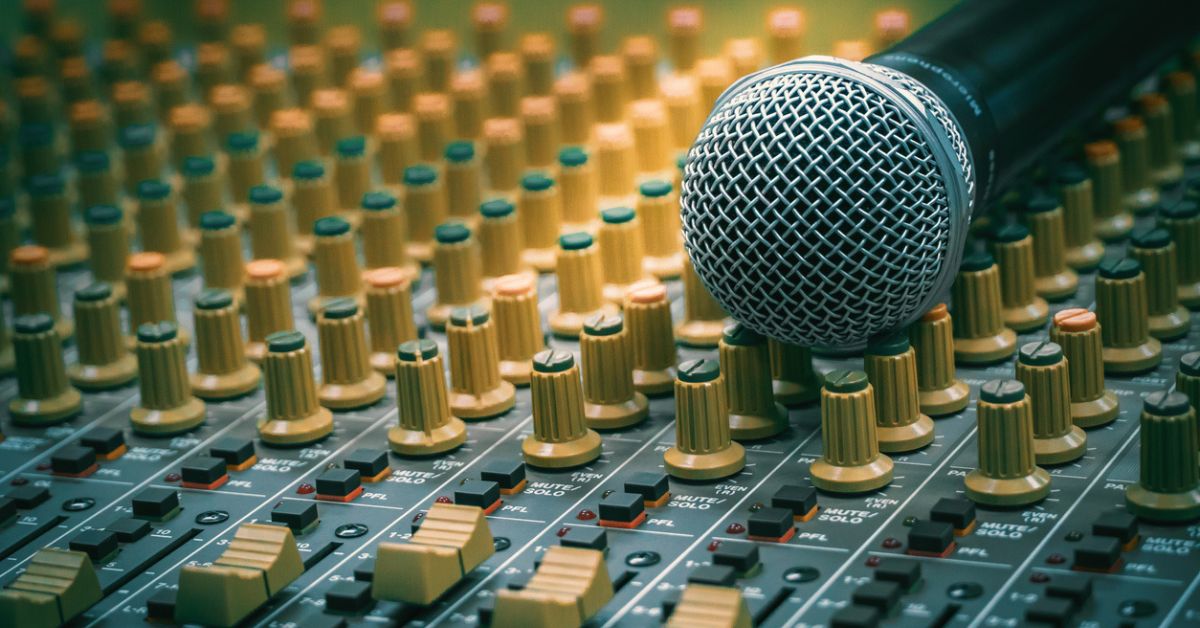
Furthermore, gamification components, such as quizzes and simulations, can improve motivation and retention, making discovering more satisfying and reliable. These methods not only promote cognitive interaction but additionally cater to diverse discovering styles, ensuring that all pupils can get involved meaningfully. Consequently, interactive knowing environments cultivate a sense of area and belonging, ultimately causing boosted scholastic outcomes. Via the assimilation of audio visual innovation, teachers can change typical classrooms into vibrant rooms where students thrive and actively shape their academic trips.
Linking Theory and Experiment Multimedia Resources
Multimedia sources act as a crucial web link in between theoretical ideas and sensible application in educational setups. By boosting engagement, promoting joint learning experiences, and supporting varied learning styles, these devices develop a more inclusive and vibrant understanding setting - audio visual charlotte nc. This approach not only fosters much deeper understanding yet also prepares students for real-world challenges
Enhancing Involvement Through Multimedia
Interaction in academic setups substantially enhances when teachers include multimedia sources right into their teaching strategies. The usage of videos, podcasts, and interactive presentations enhances the learning experience, allowing students to get in touch with the product on several levels. Multimedia sources cater to various finding out styles, providing aesthetic, auditory, and kinesthetic stimulations that can hold students' focus more effectively than conventional lecture methods. In addition, these sources can streamline complicated concepts, making them much more easily accessible and remarkable. By incorporating multimedia, teachers can produce a dynamic classroom setting that promotes interest and inspires learners. Eventually, the critical use of audio-visual technology serves to link the void between theoretical expertise and useful application, improving the content academic experience for both teachers and students.
Facilitating Collaborative Understanding Knowledge
Numerous researches suggest that joint knowing experiences significantly boost student outcomes when integrated with multimedia sources. Multimedia devices facilitate interaction among students, enabling them to involve in problem-solving and important assuming collectively. By utilizing video clip conferencing, collective systems, and interactive presentations, teachers develop environments helpful to teamwork and shared go to my blog discovering. These innovations allow pupils to connect their ideas successfully and receive instant responses, promoting a much deeper understanding of the subject matter. In addition, multimedia sources can offer complex ideas in even more absorbable formats, advertising discussion and cooperation. As a result, the mix of joint knowing and audio-visual innovation not only enhances the educational experience but likewise prepares pupils for real-world teamwork dynamics, stressing the significance of teamwork and collective knowledge construction.
Supporting Diverse Knowing Styles
While standard mentor techniques usually provide to a minimal series of finding out preferences, the combination of audio-visual innovation uses a much more comprehensive technique to education and learning. By employing multimedia resources such as videos, interactive simulations, and digital discussions, educators can attend to various discovering styles, consisting of visual, auditory, and kinesthetic. This adaptability permits set apart guideline, allowing trainees to engage with web content in manner ins which resonate with their individual choices. Furthermore, audio-visual tools can assist in deeper understanding by offering multiple depictions of complicated concepts. Therefore, pupils that may fight with standard techniques can find alternate paths to success, promoting an extra equitable learning environment that sustains academic accomplishment for all students.
Obstacles in Applying Audio-Visual Innovation
Audio-visual innovation holds great pledge for enhancing academic experiences, its execution typically encounters considerable obstacles. One primary concern is the monetary concern related to buying and preserving such tools, which can strain budgets, especially in underfunded establishments. Additionally, inadequate training for educators can prevent effective integration, leaving them ill-prepared to use the modern technology completely. Technical issues, such as software application breakdowns and compatibility problems, might additionally interrupt lessons and annoy both educators and pupils. Moreover, varying levels of student accessibility to modern technology outside the classroom can produce variations in finding out possibilities. The possibility for over-reliance on modern technology might take away from crucial teaching methods, ultimately limiting the educational experience. Dealing with these difficulties needs a comprehensive approach, consisting of adequate funding, expert advancement, and fair accessibility to sources, to ensure that audio-visual innovation can be leveraged successfully in read more today's academic settings.
Ideal Practices for Integrating Innovation in the Classroom
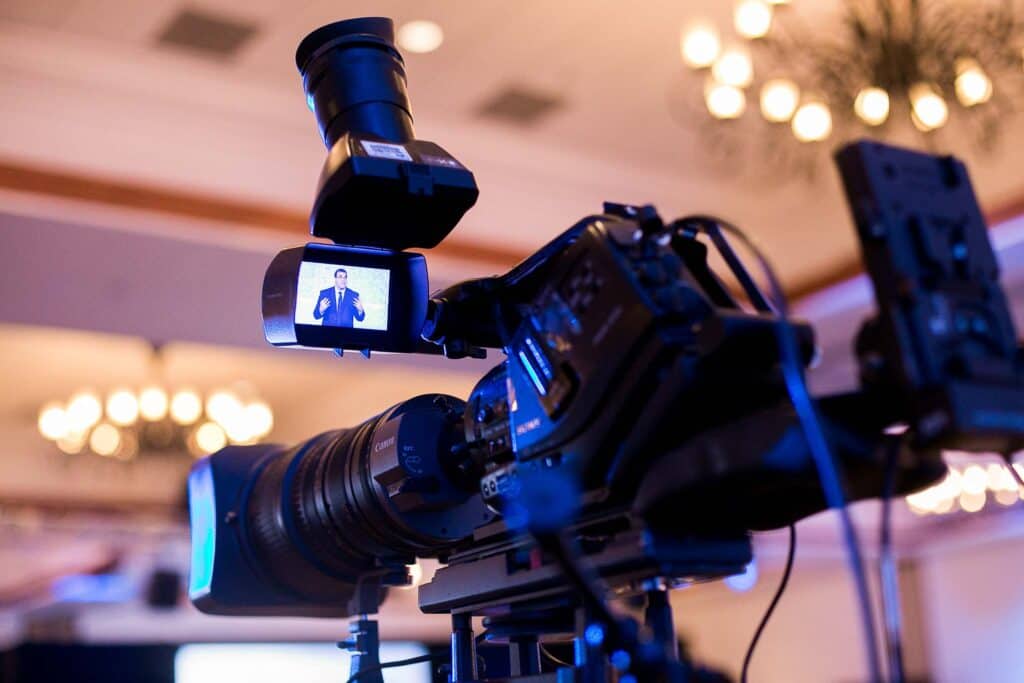
In addition, cultivating an interactive environment through collective devices encourages trainee involvement and participation. Making use of diverse audio-visual sources provides to different finding out styles, suiting visual, auditory, and kinesthetic students. Frequently examining the influence of modern technology on pupil understanding aids instructors improve their strategies and adjust to altering requirements. Lastly, including students in the selection of technology advertises possession and motivation. By sticking to these ideal methods, teachers can create a vibrant class environment that successfully incorporates modern technology and improves the academic experience for all trainees.
The Future of Audio-Visual Modern Technology in Education And Learning
As class progressively embrace technology, the landscape of audio-visual devices in education and learning continues to develop (audio visual charlotte nc). Future developments are expected to concentrate on better interactivity and customization, enabling educators to tailor learning experiences to specific trainee needs. Technologies such as enhanced reality (AR) and digital truth (VR) will likely give immersive understanding atmospheres, enhancing pupil interaction and understanding
Fabricated intelligence (AI) is poised to play a substantial role in audio-visual innovation by supplying real-time responses and flexible learning pathways. This assimilation may assist educators recognize and deal with pupil challenges better. Cloud-based platforms will certainly help with less complicated access to resources and cooperation among students and instructors, despite location.
In enhancement to these technical advancements, expert growth for educators will be essential, ensuring they are equipped to utilize these tools effectively. In general, the future of audio-visual innovation in education and learning assures to develop even more vibrant, comprehensive, and impactful understanding experiences.
Frequently Asked Questions
How Can Teachers Choose the Right Audio-Visual Tools for Their Classrooms?
Selecting appropriate audio-visual devices needs instructors to evaluate their academic goals, think about trainee requirements, examine offered innovation, and seek suggestions from peers or professionals, ensuring tools effectively enhance knowing and interaction within their certain class setting.
What Spending plan Factors to consider Are There for Applying Audio-Visual Modern Technology?
Spending plan factors to consider for applying audio-visual modern technology include first acquisition expenses, maintenance costs, training for staff, and potential software licensing costs. In addition, lasting financial investment in updates and replacements ought to likewise be factored right into monetary preparation.
Exist Specific Training Resources for Teachers on Audio-Visual Tools?
Lots of institutions use training sources for teachers on audio-visual devices, including on-line training courses, workshops, and training guides. These resources aim to improve teachers' skills and confidence in efficiently integrating innovation into their training techniques.
Exactly how Do We Measure the Efficiency of Audio-Visual Modern Technology in Discovering?
Measuring the performance of audio-visual technology in finding out involves reviewing trainee involvement, comprehension, retention prices, and overall scholastic performance. Surveys, analyses, and empirical research studies can offer useful insights into its impact on academic end results.
What Prevail Misconceptions Regarding Audio-Visual Modern Technology in Education?
Typical false impressions regarding audio-visual innovation in education and learning consist of the belief that it guarantees interaction and finding out outcomes, as well as the assumption that all trainees profit just as, neglecting private understanding choices and needs.